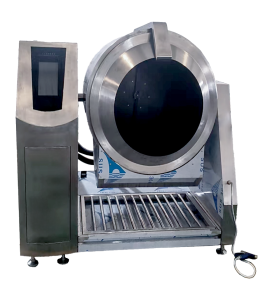
Commercial cooking robots have been rapidly adopted in back-of-house kitchens over the past two years. They are increasingly deployed in group catering, chain restaurants and school canteens. Wider adoption, however, has brought new challenges: where lies the safety boundary for operators while the machine is running, what qualifies an AI recipe as “compliant”, and whether recipes from different brands can be shared. Previously, there were no unified rules, with definitions largely set by individual manufacturers.
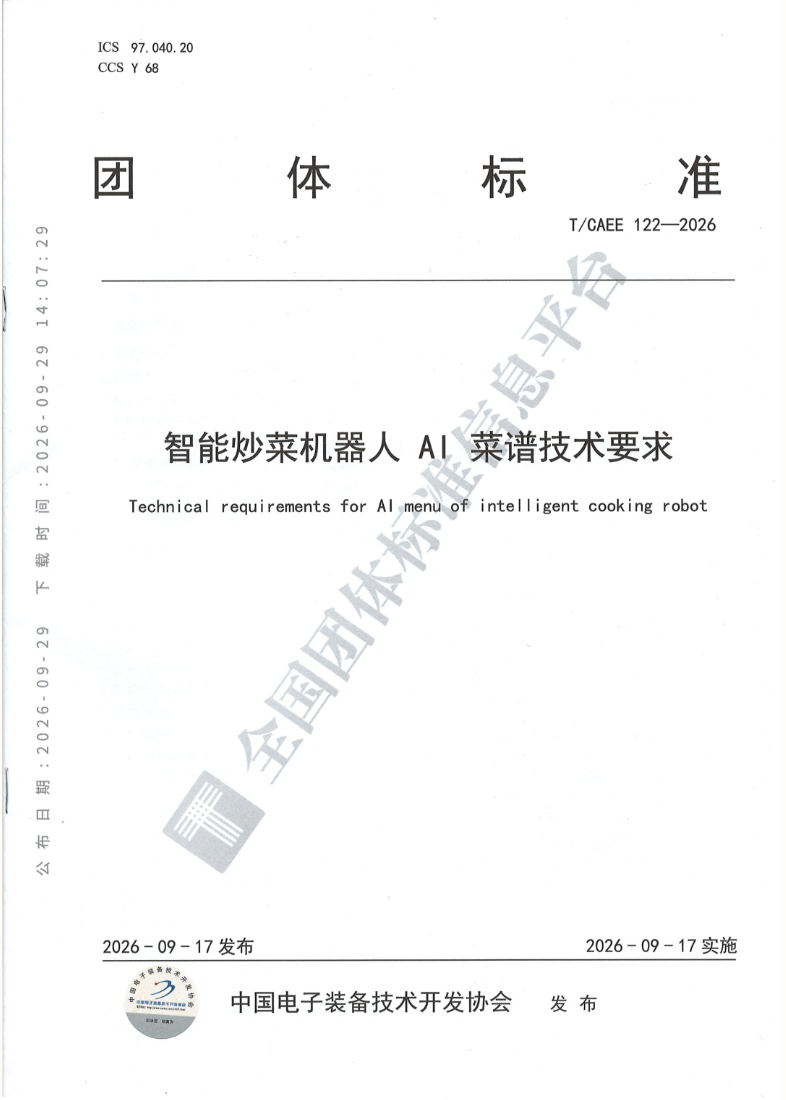
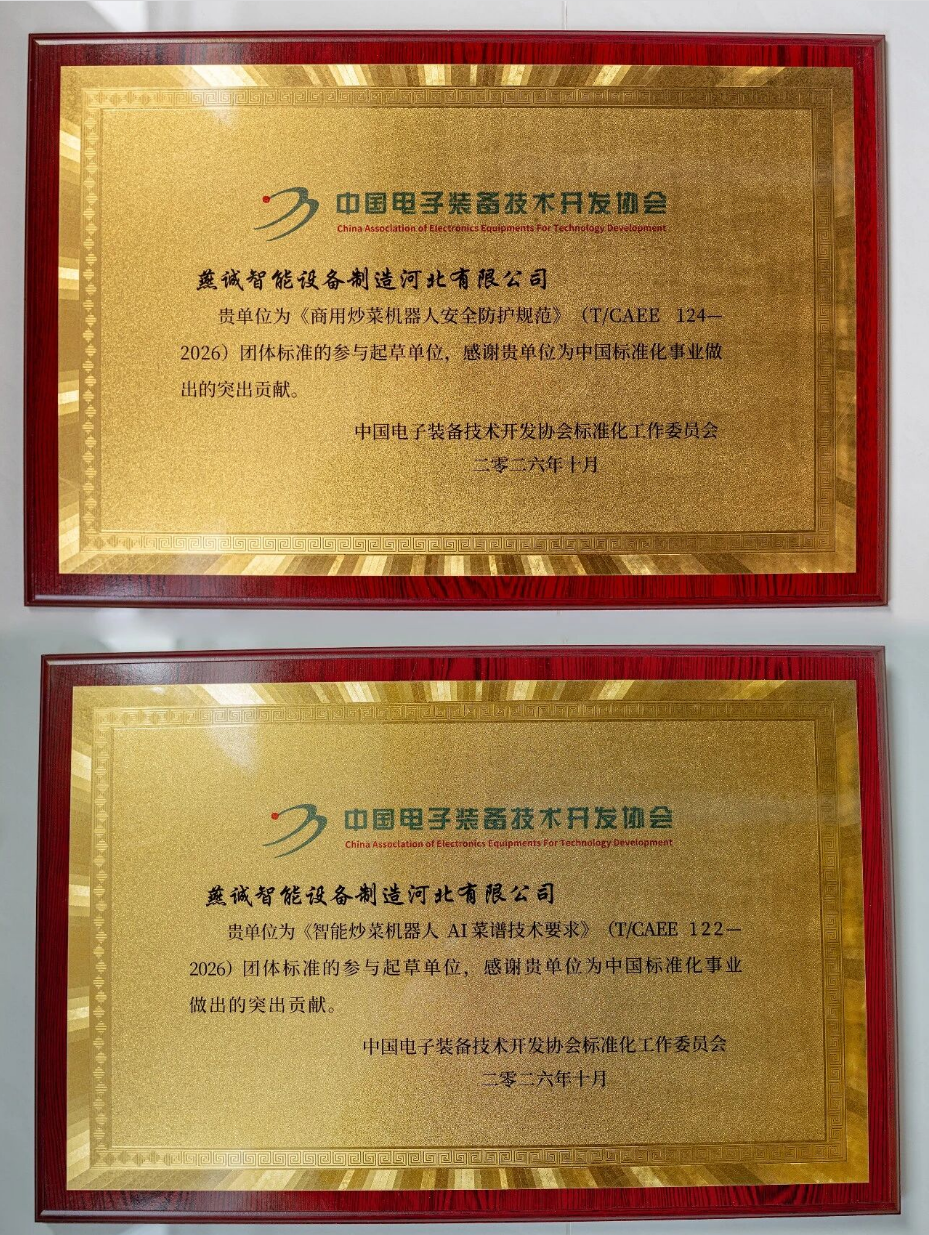
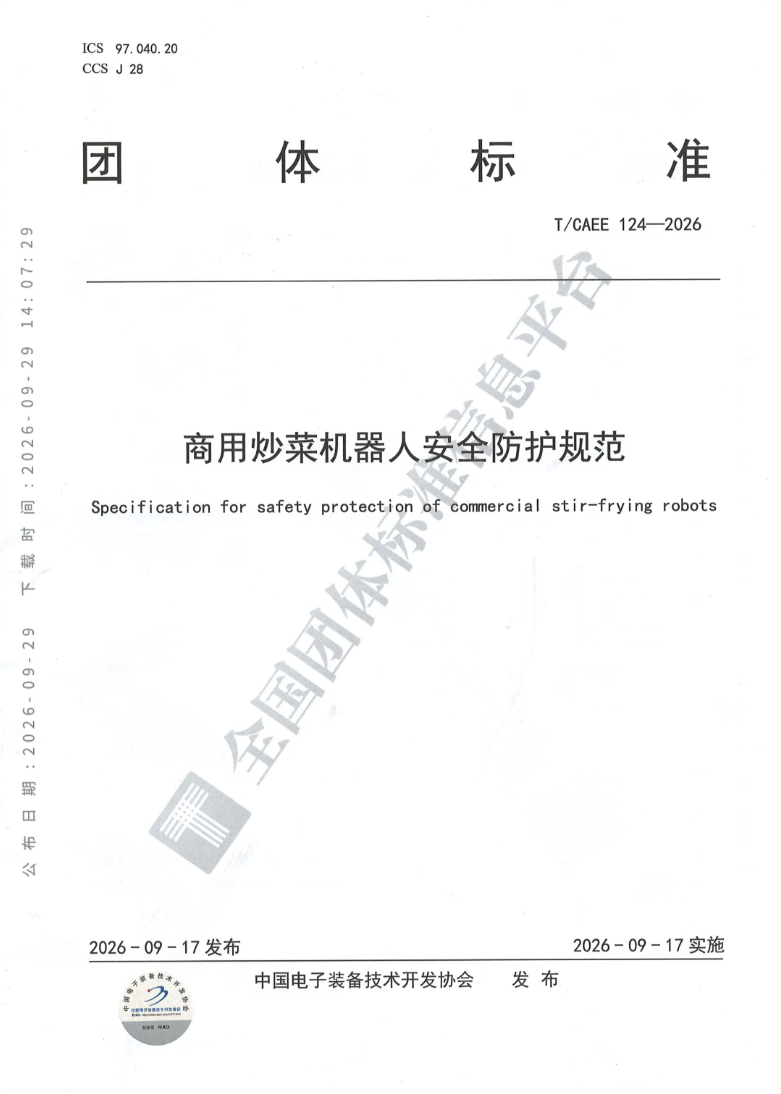
On September 17, the China Association for Electronic Equipment Technology Development approved and released ten group standards, two of which target cooking robots: Specification for Safety Protection of Commercial Cooking Robots (T/CAEE 124-2026) and Technical Requirements for AI Recipes of Intelligent Cooking Robots (T/CAEE 122-2026). Both took effect on the same day.
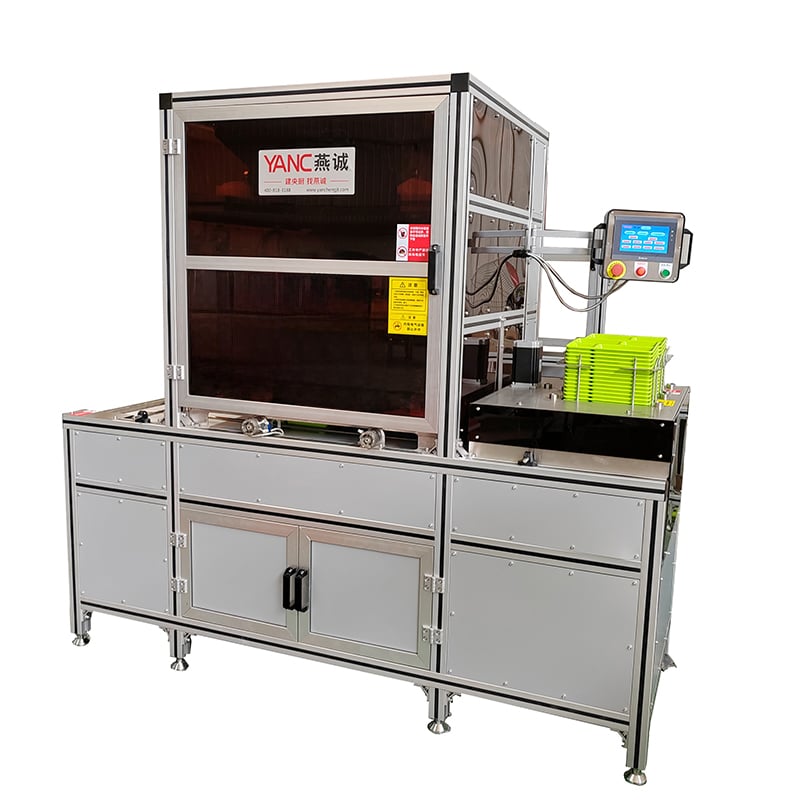
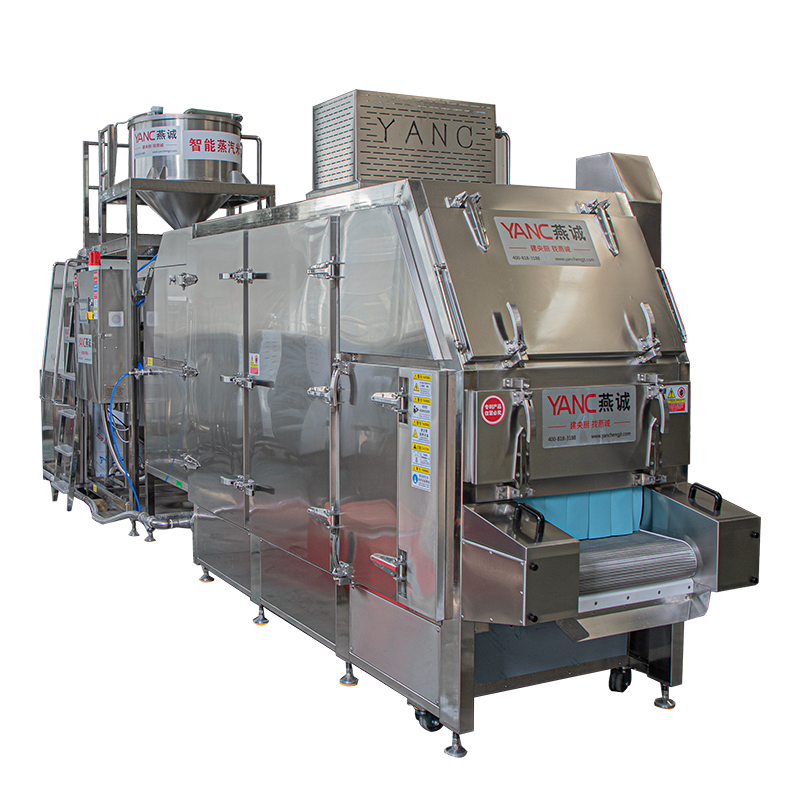
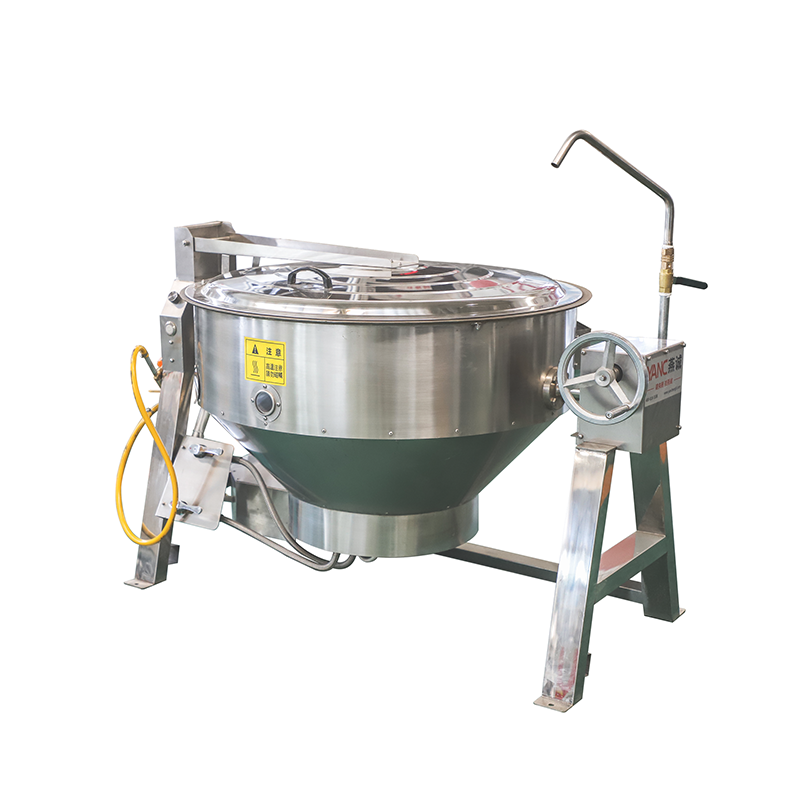
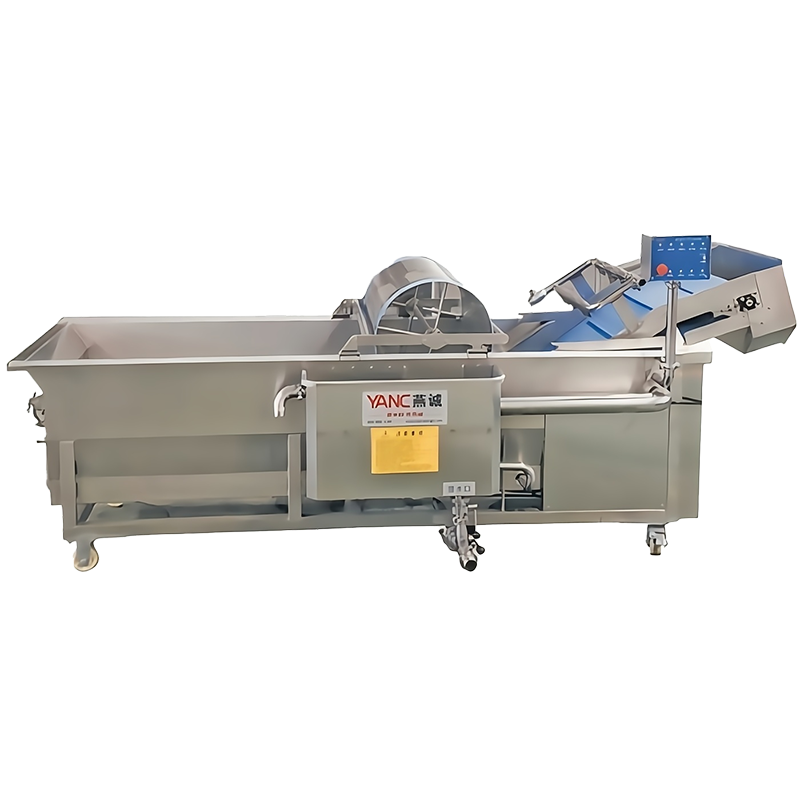
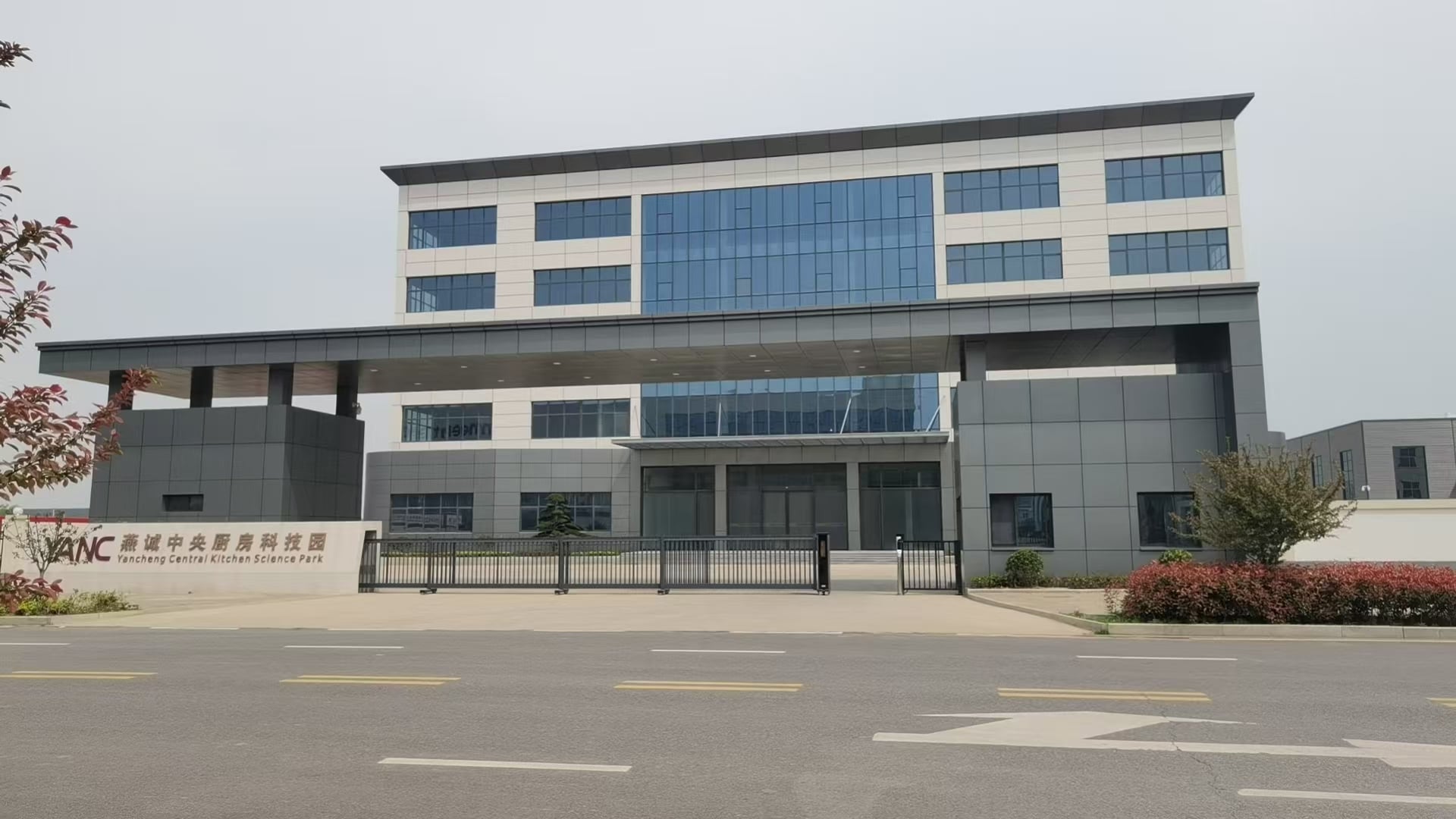
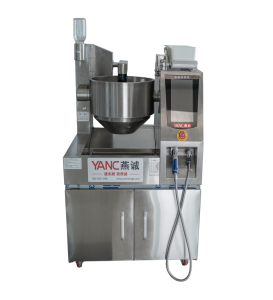
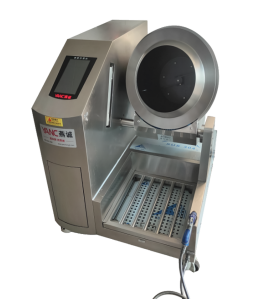
Yancheng Intelligent Equipment Manufacturing Hebei Co., Ltd. is one of the drafters of these two standards. This is not the first time Yancheng has translated its manufacturing expertise into standards. The company has participated in formulating group and national standards including those for Automatic Clean Vegetable Processing Lines, Automatic Rice Production Lines and Commercial Intelligent Cooking Machines. Yancheng keeps helping set industry benchmarks and advancing the standardization and regulation of the sector.
 |
 |
 |
One of the core selling points of cooking robots is consistent flavor across all outlets, yet there was no unified measurement standard before. What counts as accurate recipe execution? What level of flavor consistency meets the pass criteria? Are there basic specifications for data formats of AI-generated recipes and manually programmed recipes?
The standard establishes a framework: a three-layer cloud-edge-end collaborative system architecture, a tiered capability system for AI recipes, standardized data formats, multimodal cooking perception, precise control of cooking execution, plus quantitative indicators such as recipe execution accuracy and flavor consistency. It also includes inspection rules and scoring criteria for sensory evaluation.
For central kitchen and group catering clients, behind these technical terms lies a simple concern: whether the same dish tastes identical when prepared on different days or on different machines. The standard shifts this from “manufacturer’s self-claim” to “verifiable with objective criteria.”
The two standards were released and implemented on the same day with no transition period. This means that as of September 17, reference documents for safety protection and AI recipe technical requirements of cooking robots are available at the group standard level.
For customers selecting equipment, the standards offer a new perspective for inquiries: Which safety protection features does this cooking robot have? Does its AI recipe data format and accuracy comply with the standards? The manufacturer’s ability to answer these questions matters more than marketing brochures.
 |
 |
 |
Yancheng’s position on cooking robots remains unchanged: the machine is part of the whole production line. Safety and consistent taste cannot be achieved merely by stacking standalone parameters. They rely on holistic planning covering layout, equipment and data interfaces. Standards mark the starting point, not the finish line.
If you are planning automation for the cooking section of your central kitchen, or have specific questions about cooking robot safety and recipe data integration, feel free to contact us for discussion.
 Hot News
 EN